E10, Damp Garages and Idle Bores: A Realistic Guide for Older Liner Engines
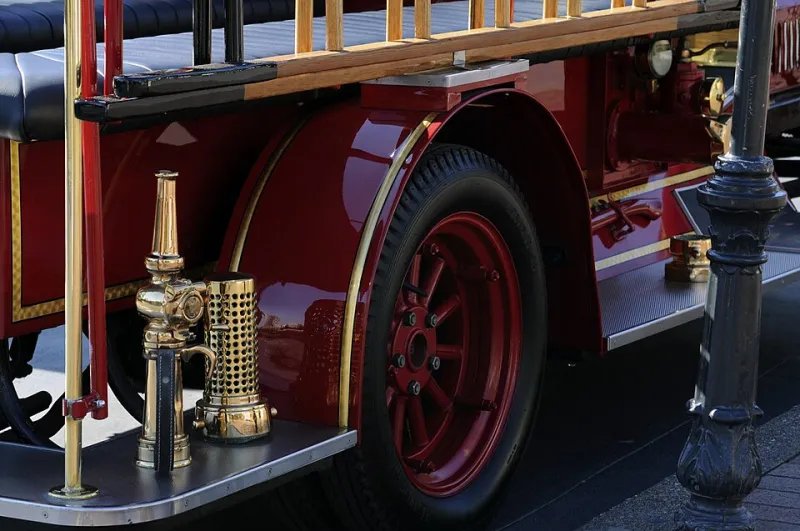
Photo: Linnaea Mallette, CC0, via Wikimedia Commons
Every autumn the same conversation starts in workshop corners and on owners' forums: E10 is ruining older engines, ethanol is eating the liners, and the only cure is a drum of super unleaded and a prayer. Some of that is grounded in real chemistry. Quite a lot of it is not. If you own a cast-iron-linered engine and you store it through a damp UK winter, it is worth separating the two.
What actually comes out of the pump
Since September 2021, standard unleaded in the UK has been E10, meaning up to 10 per cent ethanol by volume. The word up to is doing real work there, because content varies by supplier, season and blend. E5 remains available as the super unleaded grades, and in most areas those are still the protection fuel of choice for older machinery.
Ethanol is not a new invention and it is not a poison. It is an oxygenated alcohol with a higher octane rating than petrol, a lower energy density, and one property that matters more than all the rest for a stored engine: it is hygroscopic.
The chemistry that bites
Ethanol absorbs water from the air. In a sealed, regularly used fuel system this is a non-issue, because the engine burns it off. In a vented tank in a cold garage, with daytime and overnight temperature swings pulling moisture in through the breather, the fuel steadily takes on water.
Once water content climbs past roughly half a per cent by volume, phase separation occurs. The ethanol and water drop out of suspension together and form a layer at the bottom of the tank, which is precisely where the pickup sits. That layer is corrosive, burns badly, and is very difficult to get rid of without draining.
Ethanol also oxidises slowly in the presence of air and moisture, forming acetic acid. That is the species that attacks aluminium, zinc, brass, solder and older elastomers. It is also a competent solvent, so in a steel tank it lifts decades of varnish and rust into suspension and delivers the lot to the filter, the pump and the carburettor jets.
Where the damage really lands
Cast iron does not dissolve in ethanol. Liners do not melt. If you pull the head in spring and find rust rings and a scored bore, the cause is almost always one of these:
- Condensation on cold bore walls, particularly in a cylinder left with an open exhaust valve
- Acidic moisture in the crankcase from short winter running and blow-by
- Ring sticking caused by gummed fuel residue and varnish
- Corrosion at the liner seat and O-ring area, which is a coolant problem wearing a fuel problem's coat
That last point matters on wet-liner engines. The outer wall, the seat land and the seal groove are where the real money goes if corrosion gets hold, and no fuel additive on earth will protect them. That is a coolant and storage story, not an ethanol story.
Myths worth retiring
E10 does not melt engines. Most vehicles built after the early 1990s were designed for it, and the government's compatibility checker covers the rest. It does run slightly leaner on paper because stoichiometric ratio shifts from about 14.7:1 to 14.1:1, but closed-loop injection compensates and a carburettor may simply want a small mixture tweak.
Super unleaded does not protect your bores. It reduces the risk of phase separation in the tank because it usually carries less ethanol, which is a genuine benefit for stored vehicles, but it does nothing for condensation on a cylinder wall.
Additives do not fix a rusty tank. Most emulsify the contamination and push it downstream, which is worse than leaving it where it was until you can drain and clean properly.
A seasonal lay-up routine that works
For a car coming off the road from November to March, this sequence does more than any fuel grade:
- Change the oil and filter before storage, not after. Dirty oil carries acids.
- Fill the tank close to full for shorter storage, so there is less airspace to breathe. For storage beyond six months, drain it instead and run the engine dry on the carburettor side.
- Add a reputable ethanol-compatible stabiliser if you are keeping fuel in the tank.
- Run the engine to full temperature, then remove the plugs and add a teaspoon of engine oil to each bore. Turn it over by hand and refit the plugs.
- Renew the fuel filter and inspect every rubber line. Fit R9 or R14 rated hose if the originals are older than you are.
- Plug the exhaust tailpipe and the intake with a cloth or a purpose-made bung.
- Use a breathable cover, not a plastic sheet. Airflow beats sealing a damp car in.
- Turn the engine by hand every few weeks through the winter, which keeps rings from sticking to freshly honed bores.
In spring, disable the ignition and crank until oil pressure shows, drain any water from float bowls, fit fresh fuel and start it gently. If the car has been stood for years rather than months, treat it as a rebuild decision rather than a service one.
When liner material and coolant outrank fuel
For wet-liner diesels and older alloy blocks, coolant choice is the bigger corrosion variable by a distance. Cavitation pitting on the outer liner wall is driven by coolant condition and inhibitor package, not by what is in the tank. Use the correct mix, never plain water, keep the concentration right, and check the inhibitor specification for older diesels that need specific additives.
So use super unleaded if it makes storage easier, and by all means fit ethanol-rated hoses. But spend your effort on dry storage, clean oil and the right coolant. That is where old liner engines actually survive the winter.