Don't Scrap That Block: Five UK Engines Worth Liner Work in 2026
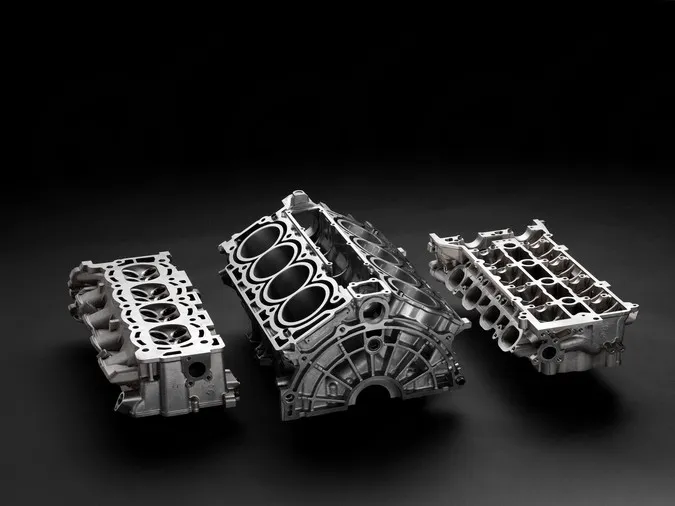
Photo: OneAndOnlyLemonBird, CC BY-SA 4.0, via Wikimedia Commons
In 2026, good used engine blocks are not getting cheaper or easier to find. The classic scene has spent years hoarding the obvious stuff, modern performance engines have been turned up and tired out, and a replacement block is often an unknown quantity with its own hidden cracks, warped deck or butchered bores. Sometimes the smarter move is to save what you have. Here are five UK engines where liner renewal and block repair can make real sense, provided a specialist checks the bones first.
1. BMC A-series: the classic four that keeps on giving
The A-series is the backbone of the British classic scene. Mini, Minor, Midget, Marina and a hundred kit cars have used it, and the club support is still enormous. That does not mean blocks are unlimited. Original engine stamps matter to buyers, and a matching-numbers car is worth more with its own block than with a random replacement.
Typical issues are bore wear, core shift, cracks between the bores and corrosion in the water jacket. These blocks have often been rebored more than once, so the next step may be a sleeve rather than another overbore. A UK specialist would crack-test the block, check the deck, bore and hone with a torque plate and sleeve any damaged cylinder back to standard. Line bore and thrust face checks are worth doing on a hard-used engine. If the block is sound, saving it is usually cheaper than finding a genuine uncut replacement.
2. Ford Kent and Crossflow: blue oval history with a club scene behind it
Kent and Crossflow engines power Escorts, Anglias, Cortinas and more Caterhams than you can shake a half-shaft at. The blocks are simple, tough and well understood, but they are not infinite. Rust, previous reboring and cracked webs have thinned the supply of good cores.
Bore wear and thrust face wear are common, and cracks around the main bearing webs or core plugs can catch you out. A rebuild assessment should include a pressure test, a deck check and a proper bore measurement before anyone promises a rebore. If a bore is already at the limit, a liner can bring it back to a sensible size. Machining work typically includes boring and honing, deck skimming and checking main tunnel alignment. For a fast-road or competition Crossflow, a torque-plate hone is not overkill.
3. Rover V8: the British V8 that deserves a proper liner job
The Rover V8 is an institution. It has powered Land Rovers, TVRs, MGs, kit cars and more than a few homemade specials. The aluminium block with dry liners is light and tunable, but it is also sensitive to overheating and poor maintenance.
Slipped liners, cracked liners, porous castings and oval bores are all familiar stories. Once the block has been hot, the liner fit can go off and the deck can move. A specialist will pressure test, sonic check and measure before committing. A proper repair often means re-linering all eight bores with flanged or top-hat liners, skimming the deck and honing with a torque plate. Align bore checks are sensible on a performance build. Not every Rover V8 block is worth saving, but a good one with fresh liners is a much better bet than a mystery second-hand engine.
4. Vauxhall C20XE: a 1990s performance unit with a loyal following
The C20XE, or redtop, still has a strong following in the Vauxhall, rally and kit-car world. It is a robust cast-iron block, but years of track use and enthusiastic driving take their toll. Good blocks are getting harder to find, and a rebuilt engine with known history is worth more than a cheap unknown.
Common issues include bore wear, cracked ring lands and block damage from a past failure. Because it is a parent-bore block, a damaged cylinder can often be sleeved rather than scrapped. The machining assessment should cover bore roundness, deck flatness, main tunnel alignment and a crack test. A proper bore and hone with a torque plate gives the rings a fair chance. If you are chasing power, do not skip the block checks just because the head flows well.
5. Jaguar AJ-V8: saving a modern British V8 from the scrap heap
The AJ-V8 has powered XK8s, XJ8s and more than a few interesting projects. Values have been low for years, which means plenty of cars have been broken, but it also means good blocks are not as easy to find as they once were. A rebuild with fresh liners can be a sensible way to keep a car on the road rather than chasing a used engine with unknown history.
Bore wear, ovality and liner problems are the things to check, along with the usual cracks and porosity. These engines do not forgive poor cooling or long oil intervals. A UK specialist would pressure test the block, measure the bores, check the deck and assess whether a re-liner is viable. Machining might include re-linering, deck skimming, align bore checks and a torque-plate hone. It is not a cheap exercise, but neither is fitting a second-hand engine that turns out to be just as tired.
The bottom line for 2026
The right answer is not always 'save every block'. Some castings are cracked, some have been machined to death and some are simply not economically viable. But the default 'scrap it and buy another' approach is looking weaker every year. If the block is structurally sound, has history or is hard to replace, liner work and proper machining can be the smarter financial and practical choice. Talk to a specialist, get the block measured and crack-tested, and make the decision with facts rather than optimism.