Charge Zone Calculus: Does a Liner Rebuild Still Add Up on a Non-Compliant UK Diesel?
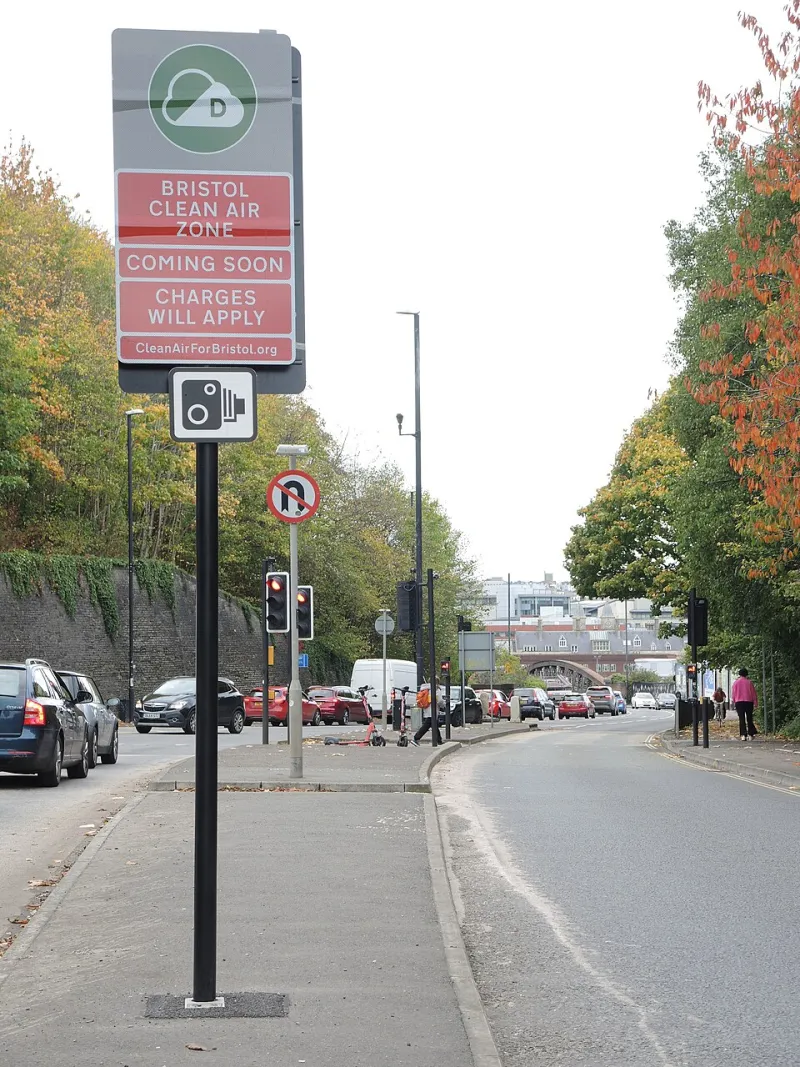
Photo: Neil Owen , CC BY-SA 2.0, via Wikimedia Commons
Clean air zone signs have a way of turning a simple engine decision into a spreadsheet. You can have a solid block, a fresh set of liners and a head that has just been skimmed, and still face a daily charge every time you drive into town. That does not make the rebuild pointless, but it does mean you need to treat compliance and bore condition as two separate questions.
The Charge Is About the Vehicle, Not the Bore
First, the blunt bit: a clean air zone charge is triggered by your vehicle's registration and its recorded emissions standard, not by how well the engine runs. Cameras read number plates; they do not sniff the exhaust. In London's ULEZ and most English clean air zones, the common minimum is Euro 6 for diesel cars and Euro 4 for petrol. Scotland's low emission zones use similar thresholds. If your V5C says Euro 4 diesel, a fresh set of liners and a blueprinted cylinder head will not change that.
That is the key distinction for anyone weighing liner work in 2026. A rebuild can make an engine run cleaner, use less oil and pass an MOT smoke test more comfortably. It cannot reclassify the vehicle. The legal standard is attached to the vehicle's type approval and registration, and the charging system works from that data.
What a Rebuild Can and Cannot Fix
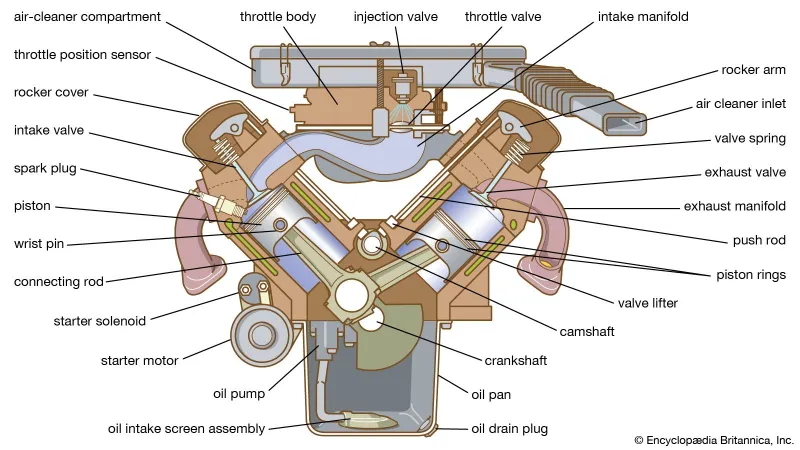
Liner work addresses mechanical wear. If the bores are oval, the rings are struggling to seal, or a wet liner is letting coolant past its seals, you get the familiar symptoms: blue smoke on start-up, crankcase pressure, oil consumption, poor cold running and, in bad cases, coolant loss. Re-lining, honing to the correct cross-hatch and setting piston clearances can transform how the engine behaves.
What it cannot do is turn a Euro 3 diesel into a Euro 6 diesel. It also will not remove a charge that is based on the vehicle's registration. A rebuilt engine might help you pass an MOT emissions test, but an MOT pass and clean air zone compliance are not the same thing. The zone is not testing your tailpipe; it is checking your number plate against a database.
Engine Codes and Euro Standards: What to Check
Engine codes matter, but mainly for parts availability, known faults and rebuild costs. A VW 1.9 TDI ALH, a Ford 2.0 TDCi or a Land Rover 300Tdi will have different liner, piston and gasket options, and some are far easier to source than others. The engine code tells you what you are rebuilding. The Euro standard tells you whether you will be paying to enter a clean air zone.
Do not assume that a late engine code automatically means compliance. Check the V5C and use the GOV.UK vehicle checker if you are unsure. Some vehicles can be retrofitted to meet certain zone standards, especially vans and heavier vehicles through accredited schemes, but for private cars the practical retrofit route is often limited or nonexistent. It is worth a phone call before you spend money on machining.
Running the Numbers Like a UK Owner
Clean air zone charges vary. London's ULEZ is £12.50 a day for non-compliant cars; Birmingham's zone is £8; Bristol's is £9; other cities and Scottish low emission zones have their own rules and penalties. If you enter a zone 200 days a year, that is £2,500 in London before you have bought a litre of oil. A liner rebuild might cost £2,000 to £4,500 depending on the engine, the parts and how much stripping you do yourself. A used donor engine might be £700 to £2,500, plus fitting and the risk that you are buying someone else's worn-out block.
The rebuild does not remove the charge. So the maths has to include the charge for as long as you plan to keep the vehicle. If the car is already compliant, the clean air zone is irrelevant to the engine decision and you can judge the rebuild on mechanical grounds alone. If it is non-compliant and you use the zone daily, the charge becomes a running cost that can dwarf the rebuild.
A Practical Decision Path
- Check the registration on GOV.UK and confirm the Euro standard. Do this before you order parts.
- Count your clean air zone days. Be honest about school runs, commuting and weekend trips.
- Assess the rest of the vehicle. A rust-free shell, good electrics and a sound gearbox make a rebuild more rational. A rotten underside makes it a labour of love.
- Diagnose the engine properly. Compression and leak-down tests, coolant pressure testing, oil analysis and a sonic check of the block will tell you whether liner work is the right fix or whether the block is scrap.
- Compare three routes: rebuild the existing engine, fit a known donor, or replace the vehicle. Include clean air charges, insurance, tax and MOT costs in each column.
A rebuild makes sense when the vehicle is compliant, or when you rarely enter a charging zone, and the body and drivetrain are worth keeping. It also makes sense for a cherished car where the cost is not purely financial. A donor engine makes sense when the existing block is cracked or badly corroded and you can find a good replacement with known history. Replacement makes sense when the vehicle is non-compliant, you rely on zone access and the repair bill is close to the cost of a compliant car.
The Verdict
Bore condition and compliance are separate ledgers. A liner rebuild is a mechanical investment; clean air charging is a policy cost. Do not let a fresh hone persuade you that the number plate has changed, and do not let a daily charge scare you off a rebuild if you hardly ever drive into the zone. Work out both numbers before the boring bar sings.