Damp Starts, Drier Wallets: The UK Commute That Eats Your Bores
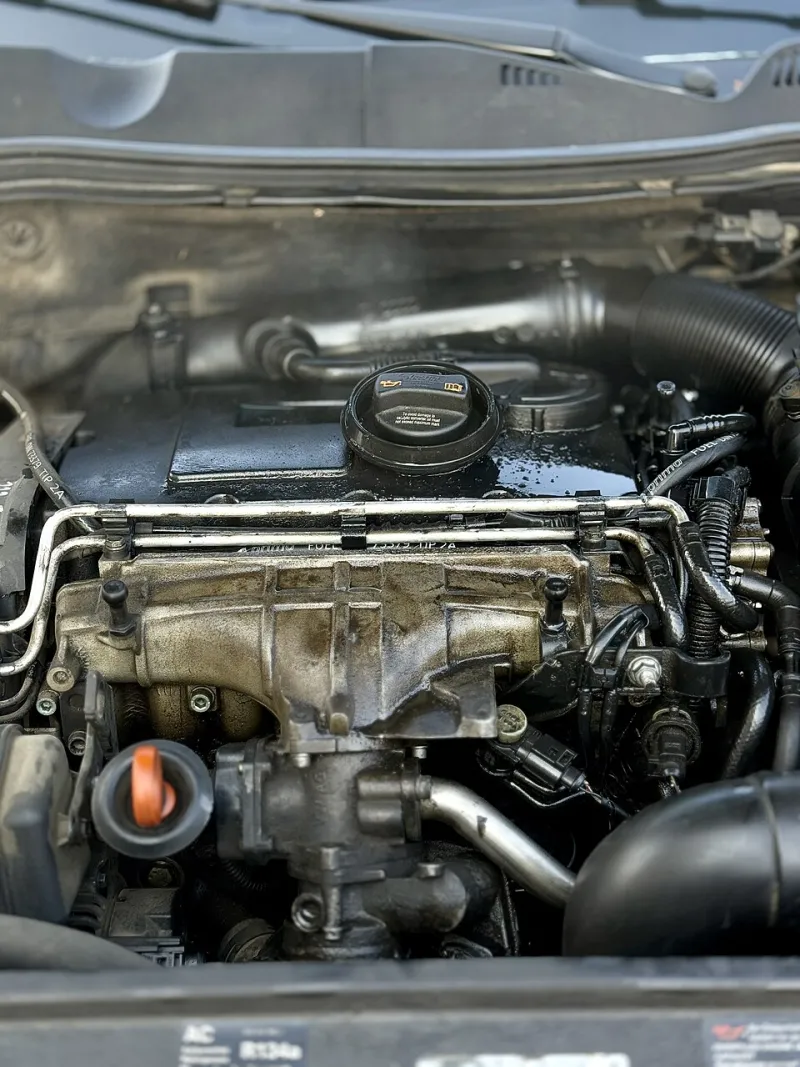
Photo: Shixart1985, CC BY 2.0, via Wikimedia Commons
On a wet Tuesday in November, the worst thing you can do to a rebuilt engine is start it, drive two miles to the shops and switch it off. It is also the most common thing UK owners do. The school run, the station drop-off, the trip to the tip: short, cold, stop-start journeys that never let the oil get hot enough to boil off the water it has absorbed.
That is not a reason to wrap the car in a blanket. It is a reason to understand what is happening inside the liners, and to spot the difference between a car that needs a good run and a car that needs the head off.
Condensation is the quiet passenger
Every cold start puts combustion by-products into the crankcase. Some of that is water vapour. In a long run, the oil reaches 90°C or more and the vapour is pulled out through the breather. In a five-mile commute in January, the oil might barely reach 60°C. The water stays, mixes with acids and forms the mayonnaise-like sludge that collects under the oil filler cap.
That sludge is not just a cosmetic problem. Moisture in the oil reduces its film strength, and acids attack bearing shells and liner walls. On a wet-liner engine, the bottom of the liner runs cooler than the top, so that is where condensation tends to sit. Over a few winters, a rebuilt engine can develop corrosion pitting on the bore below the ring travel. You will not see it until the head comes off.
Bore wash: when fuel washes the oil away
Cold engines run rich. That extra fuel has to go somewhere. Some of it gets past the rings and into the sump, thinning the oil and washing the protective film off the liner walls. This is bore wash, and it is worse on short journeys because the engine never gets hot enough to evaporate the fuel out of the oil.
You can smell it on the dipstick. You can see it on an oil analysis report as fuel dilution. You can feel it as oil that is thinner than it should be and a top end that is noisier on start-up. On a direct-injection petrol engine, it can be a real issue; on an older diesel, a worn injector or a stuck thermostat can make it worse.
What UK weather adds to the mix
Damp air, salt on the roads and a heater matrix that takes ten minutes to do anything. The UK's winter is not usually extreme, but it is persistent. Cars sit outside, breathe moist air and cool down overnight. Every cooling cycle pulls moisture into the crankcase through the breather. If the car is used for short trips, that moisture never leaves.
Stop-start traffic makes it worse. The engine idles, the cooling fan cuts in, the oil temperature drops when you move off. Modern stop-start systems are designed for it, but a rebuilt classic or an older diesel is not. If your rebuild has a camshaft that needs 2,000 rpm for ten minutes to bed in, a city commute is not doing it any favours.
Symptoms worth taking seriously
A bit of mayo under the filler cap in winter is common. A lot of mayo, combined with a rising oil level or a sweet smell from the exhaust, is not. Neither is blue smoke on start-up that clears after a minute, oil consumption that climbs from one litre every 2,000 miles to one litre every 500, or crankcase pressure that pushes the dipstick out.
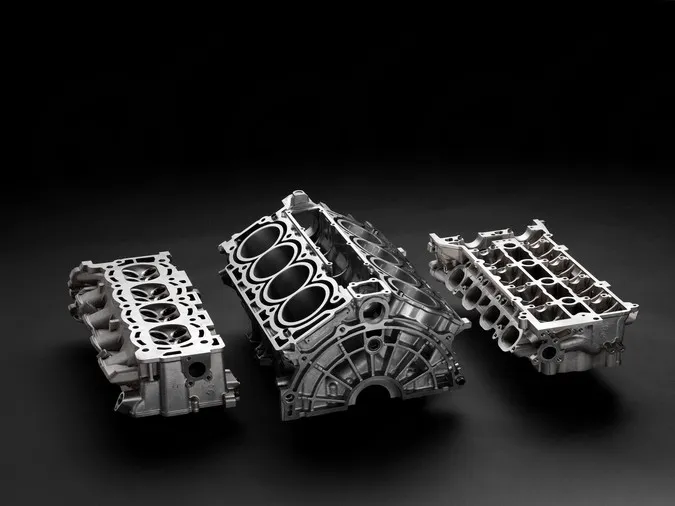
For mechanics, a leak-down test and a borescope are the first steps. Look for vertical scoring, glazing, a ring ridge at the top of the bore and pitting below the ring travel. If the bores are glazed but not worn, a light plateau hone and new rings can be enough. If there is pitting or a lip you can catch a fingernail on, the liner needs to come out.
Warm-up routines that actually help
Do not idle a cold engine for twenty minutes. It warms up slowly, the oil stays cold and you are just burning fuel. Start it, let the oil pressure settle for 30 seconds, and drive gently. Keep the revs moderate and the load light until the temperature gauge moves. Avoid short trips where you can: combine the school run with the weekly shop, or take the long way home once a week.
For cars that do mostly short journeys, a shorter oil change interval is cheap insurance. Use the oil spec the manufacturer calls for, not a thicker oil because 'it's old'. A 0W-30 or 5W-30 with the right ACEA sequence will flow faster on a cold start than a 10W-40, and faster flow means less metal-to-metal contact at the top of the liner. On diesels with a DPF, stick to low-SAPS oil; on older engines without one, a good quality semi-synthetic is fine.
A block heater or a battery trickle charger is not a bad idea for a car that sits outside. Neither fixes bore wash, but they reduce the cold-start penalty.
When a liner inspection is worth the effort
If you are doing a compression test and the numbers are down, or a leak-down test shows air escaping into the crankcase, inspect. If the engine has done 120,000 miles of short journeys, inspect. If you have just rebuilt it and it is using oil after 1,000 miles, inspect before you blame the rings.
But do not pull a head because the filler cap has a bit of emulsion on it in February. Clean it off, take the car for a 30-mile run, and check again. If the mayo comes back within a week of normal use, you have a problem. If it does not, you have a UK winter.
The honest verdict
The cold start con is that the damage is invisible until it is expensive. A five-mile commute in the damp is harder on a liner than a 200-mile motorway run. You cannot change the weather, but you can change the oil, the route and the warm-up routine. And when the symptoms stack up, inspect the bores before you spend money on everything else.
Your liners will thank you. More importantly, your wallet will.