Round Pegs, Oval Bores: Why a Torque Plate Belongs on Every Liner Build
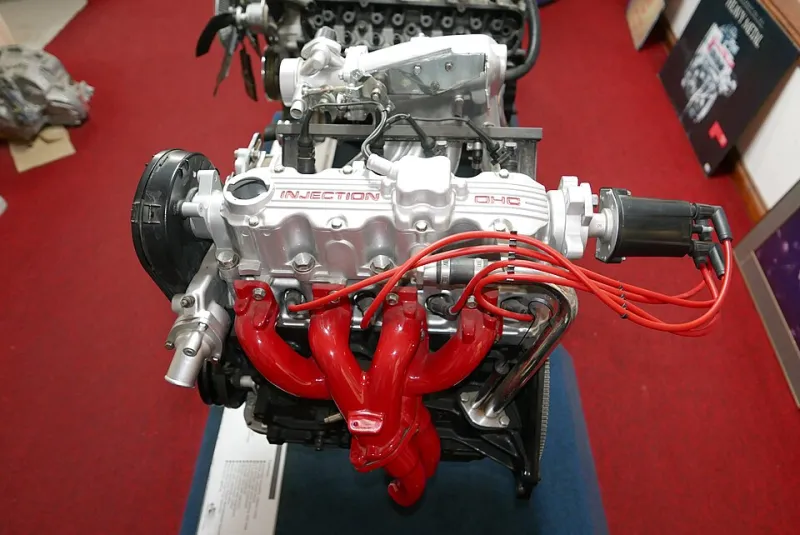
Photo: OSX, Public domain, via Wikimedia Commons
Your block comes back from the machine shop with fresh bores, a lovely cross-hatch and an invoice. You bolt the head on, torque it down, and somewhere in the back of your mind a small voice asks: did they hone those liners with a torque plate? If the answer is 'what's a torque plate?', you've got a problem. Not necessarily a catastrophic one, but a problem that can show up as blow-by, oil consumption, poor compression and a ring seal that never really beds in.
What the plate is actually doing
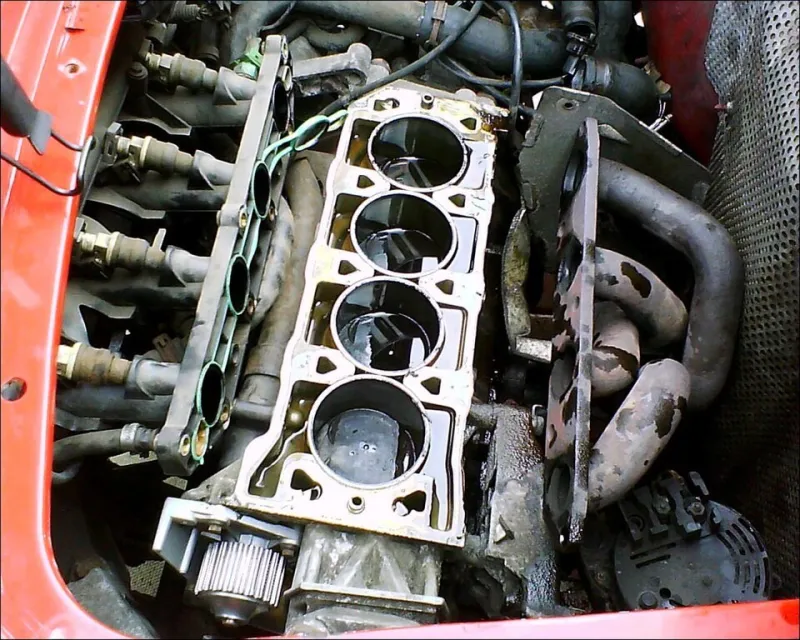
A torque plate is a thick steel slab that bolts to the block deck using the same head bolt or stud positions, torqued to the same figure and sequence as the real cylinder head. Often you run it with a used gasket or a spacer of the correct thickness. The plate pulls the deck about in the same way the head will. Bores that look round on a bare block can pinch, oval or taper once the head is clamped down. Honing with the plate fitted means the final bore geometry is cut while the block is distorted in its running condition. Remove the plate and the bore springs back to something close to round — but the honing pattern and clearances are now correct for the engine as assembled.
Without a plate, you're finishing bores in a shape that disappears the moment you torque the head. The rings then have to conform to a bore that's changing shape under load. You might get away with it on a low-stress engine with thick walls and a modest torque figure. On a thin-walled liner block, you're asking for trouble.
Why liner blocks feel it more
Liners are brilliant things, but they don't all behave the same. A thin dry liner is only as stable as the aluminium or cast iron behind it. A wet liner is located by the head gasket and the block counterbore, and the clamping load goes straight through the liner top. Flanged liners add another set of variables. When you bore and hone after the liners are installed — which is the right way for many rebuilds — the block's distortion is baked into the final size. That's exactly when a torque plate earns its keep.
If you're finishing liners in a jig before installation, the plate is less critical for the liner itself, but the block deck still moves. The top of the liner can still be pulled out of shape by head bolt load. For anything where you're chasing a proper seal and long life, simulate the head.
Where it bites on UK favourites
You'll hear torque plates discussed most around engines with long head bolts and relatively flexible decks. Rover K-Series is the obvious one — thin liners, familiar head gasket woes and plenty of rebuilt examples. Vauxhall's 16-valve XE family, Ford's Zetec and Duratec four-pots, Cosworth YB builds and the usual A-series and Crossflow suspects all benefit. So do plenty of diesel lumps where wet liners are clamped by the head. It's not just a performance-engine ritual. A standard rebuild that's going to tow a trailer or sit in traffic on the M25 deserves the same care.
The rule of thumb: if the head bolts clamp anywhere near the bore, and you care about ring seal, use a plate. If you're building a show engine that will do 500 miles a year, you still care about ring seal. The plate doesn't care about your intentions.
The £80 question
For common engines, a decent torque plate can be had for around £80 secondhand or from a specialist. Custom plates cost more. Compared with the cost of stripping the engine again, it's pocket change. The real cost is machine shop time and the fact that some shops don't own the plate for your engine.
Ask direct questions. 'What torque plate do you use for this block?' 'Are you honing with it fitted and torqued to spec?' 'What gasket or spacer are you using?' 'What fastener are you using — bolts or studs?' If they're using studs, the plate should be set up for studs and torqued accordingly. If you're using an MLS gasket, the plate setup should reflect that thickness. A plate bolted down dry with no gasket is better than nothing, but it's not the same as the real clamp load.
How to challenge a shop without turning into that customer
Be reasonable. Plenty of good machinists will happily torque-plate a block if you ask, and some will tell you they've never had a problem without one. Listen, then ask for evidence: 'Can you give me bore measurements at three heights and two axes with the plate on?' If they can't, or won't, that's your answer. You don't need to lecture them about ring seal physics. You just need to decide whether they're the right shop for a liner build.
A torque plate isn't a magic wand. It won't fix a cracked block, worn guides or a bad liner fit. It won't compensate for incorrect piston-to-wall clearance. What it does is remove one variable. On a fresh liner job, variables are the enemy.
The takeaway
If you're paying for line boring, honing and new rings, pay for the plate. Or make sure your shop has one. The head gasket doesn't care how pretty the cross-hatch looks. It cares whether the bore is round when the engine is hot, loaded and bolted together. That's the shape that matters.